
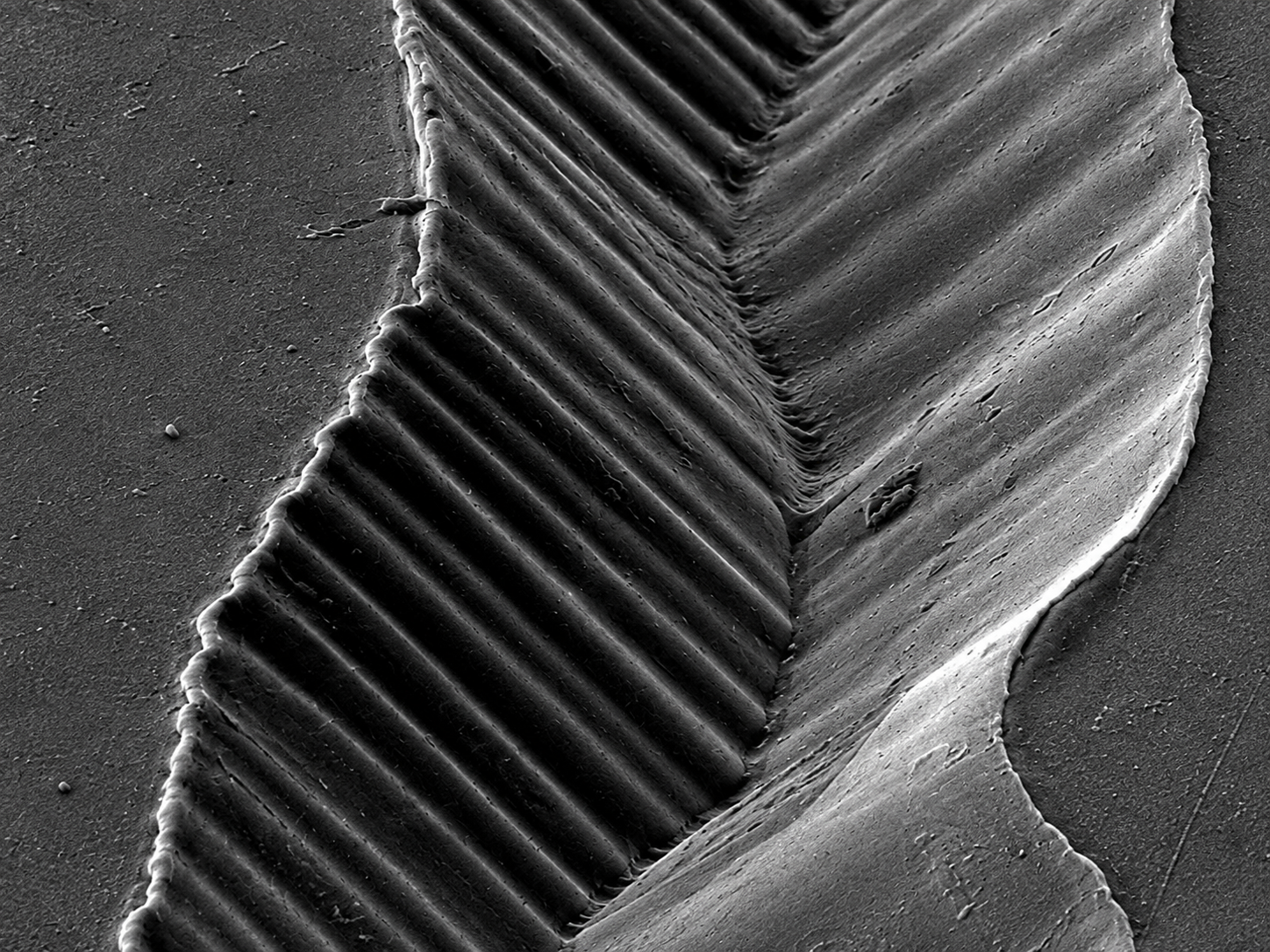
I am genuinely excited to share what I just built.
Canyon Groove plays the actual topography of a canyon as generative music, and it only took me two nights to build.
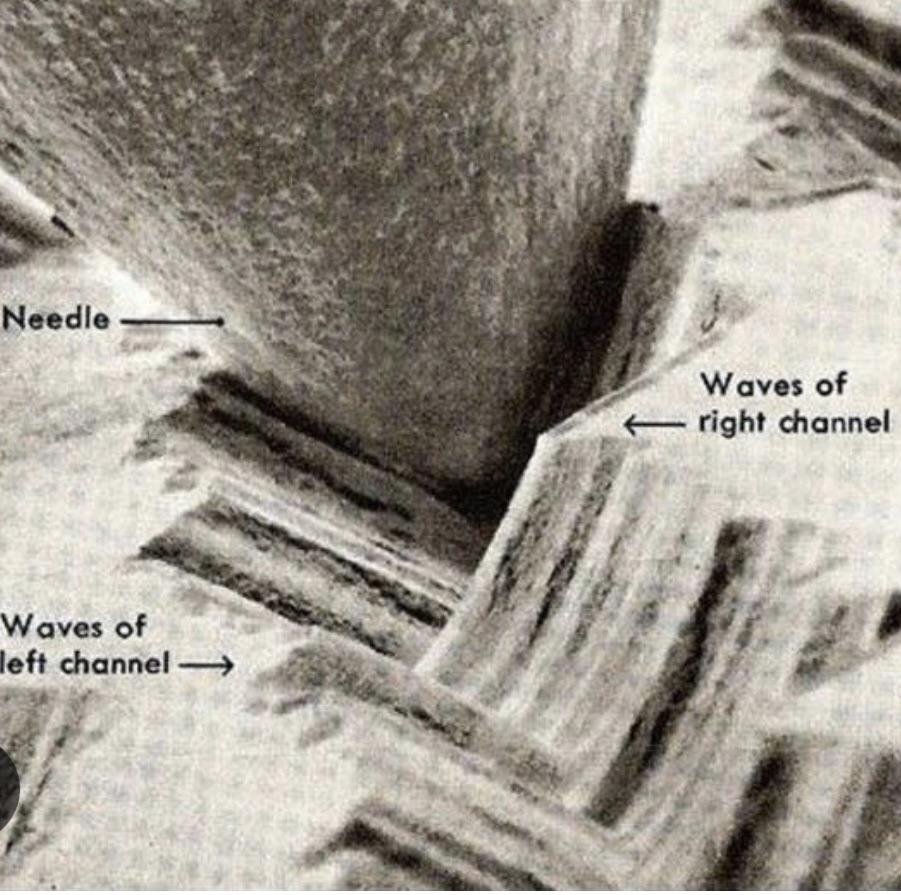
Earlier this year, in March, I was scrolling through Reddit and a photograph stopped me and made me think. It was a close-up, magnified view of a vinyl record player’s needle in the groove of a wax album, with the left and right channel walls labeled on either side. As I stared at the photo, I thought it looked like the vinyl needle was dragging through a canyon.
That simple thought drove me to build a system that plays music for each famous canyon. I opened Claude Code the same afternoon and asked the AI system to help me build a prototype that would analyze Google Maps or other public spatial data for famous canyons and convert it to audio. In early 2026, the frontier system generated a single HTML file with the contours of my idea and a dozen placeholders that sat where all the hard parts needed to be implemented. It was a good conceptual mockup, but my generative music system didn’t play music worth listening to, so I set it aside.
I revisited the same project six months later. This time I used Claude Code + Fable 5.1 + Max plan.
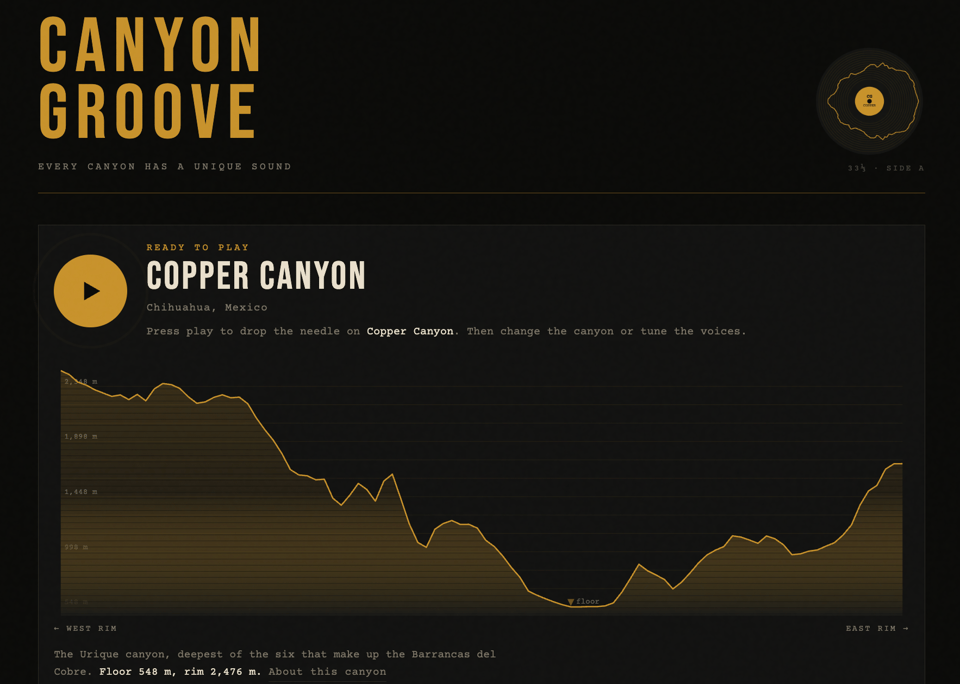
My Canyon Groove experiment turns a real canyon into ambient songs. You can select from one of 16 notable canyons, ranging from the Grand Canyon to the Yarlung Tsangpo in Tibet, and the app imports its elevation profile rim to rim, 1,500 measured points along a straight line, and treats that line as the groove on an LP vinyl record. You can press play and a virtual needle rides through it: where the rock drops the sound drops, and where the wall climbs the notes climb with it. Nothing is sampled, and all 1,500 elevation points are synthesized in the browser from the shape of the land.
The floor elevation of any given canyon picks the key, where the floor sits between the two rims sets the mood, width sets how long each pass takes, and depth sets how long the echo hangs. The Grand Canyon arrives in G, warm, on a 44-second loop. Zion arrives in C sharp, bright, on 29 seconds. They are synthesized as different instruments before you fine-tune any controls, and it’s all based on rock that settled millions of years ago. Move the line a few miles along the river and listen to the instrument move with it.
Up to five voices read the canyon, and each one plays something different. Bedrock is a drone rooted in the floor. Strata reads slow chords out of the rise and fall of the ground. Contours rings a note every time its needle crosses a contour line, so steep walls chime and flat floors fall quiet.
I described the general direction, and the model proposed how to get there. Each voice was given its own needle, and the loop lengths were chosen so none divides evenly into any other. They drift in and out of phase the way classic ambient tape loops do, and the unequal lengths keep the combination from resolving or repeating. At the Grand Canyon’s pace, five concurrent loops would need about 12,000 years to line back up. Press play and sit back for a few minutes and you hear a piece of music. Sit for another twenty and it still hasn’t repeated.
I set out to hear what a canyon sounds like and ended up with something that composes generative music.
I’ve been thinking about just how much more capable frontier AI models have become in the six months since I took my first pass at the canyon music system. In March, I had a single-page HTML file that didn’t work well enough to output audio. By September, I was working alongside a capable agent that pulled real elevation transects from public datasets and baked it into the app. Then it wrote a README, with deploy paths for GitHub Pages, Vercel, and WordPress.
I’m a marketer with a technical bent who isn’t a developer. I was able to go from idea to fully functioning system without writing a single line of code.
Try it out and make some music. If you have any ideas, or you’ve got a canyon I should add, send it over.
Six months ago my experiment couldn’t even play a note. The distance between an idea and a working thing is collapsing, and mine took two nights.
This was originally posted as a feature in my weekly newsletter The Catalog. You can Subscribe for weekly insights.
Leave a Reply